The Case for Proactive Customer Activation Over Reactive Onboarding


Introduction
Most onboarding tools are built to react. The tooltip waits for the click. The CSM waits for the warning sign. But by the time anything fires, the customer has already decided how they feel about your product.
That sequence has a hidden cost most companies underprice. By the time a customer has had a confusing experience with your product, they've already started forming a view of whether your software is worth their time. If the answer is “not really”, getting them back is harder than getting them right the first time. The equity you needed to do good work with them is gone, and you'll spend more trying to recover them at month nine than it would have cost to protect them at month one.
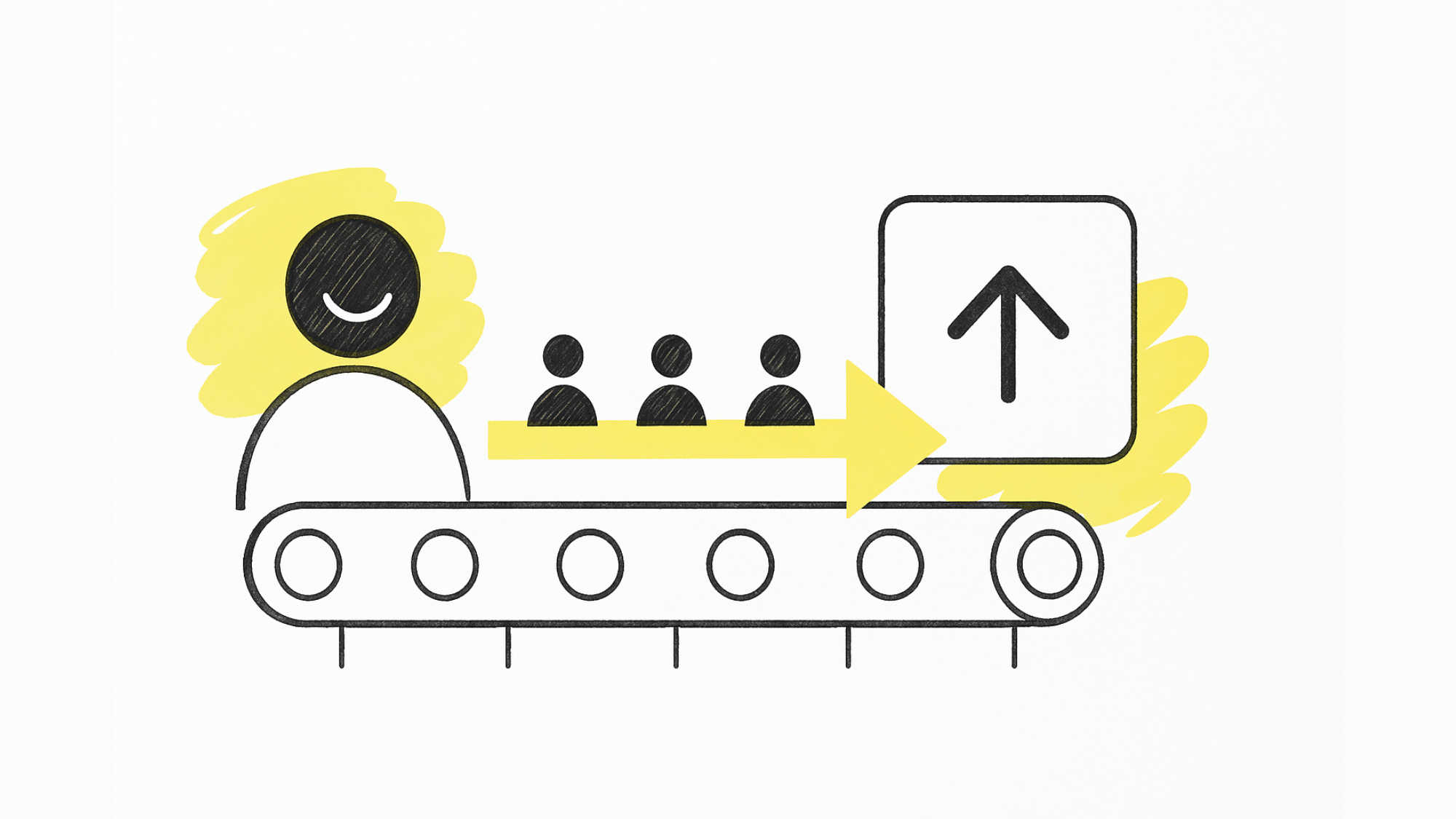
Proactive activation isn't a faster version of reactive onboarding. It's the operating model where you don't have to recover anyone, because the bad first experience never happens.
The restaurant problem
Picture a customer at a restaurant ordering a steak medium rare and it comes out well done.
They send it back, the kitchen fires another one, and the second steak is correct. The server apologises, maybe comps a glass (or bottle) of wine, and the customer eats their dinner and pays the bill.
That customer is not coming back, and the restaurant probably doesn't know it. The recovery worked on its own terms. The food was eventually right and the apology was reasonable. But the relationship was decided when the first wrong plate landed on the table, and after that nothing the restaurant did was going to recover it.
Software activation works the same way. A customer who logs in and spends the first session not understanding what your product does for them has already formed a view, and that view is going to determine whether they're worth saving when the renewal comes around.
You can run a CSM call six weeks later and walk them through everything they missed. Most of the time it doesn't work, because by then the customer is allocating their attention somewhere else and you're asking them to invest in a product they've already partially written off.
Why reactive onboarding burns equity
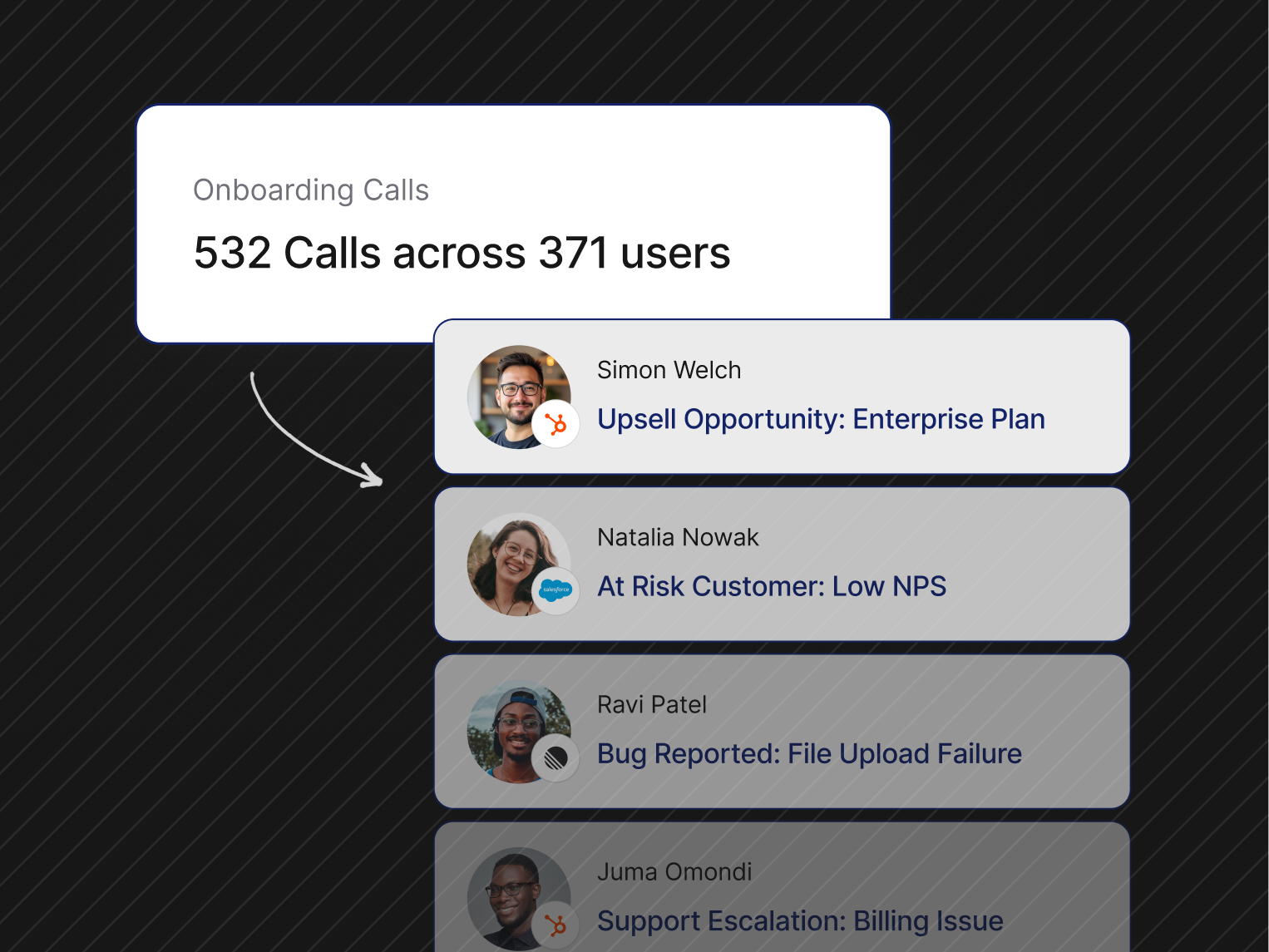
The deeper failure of reactive onboarding is that it doesn't see the customers it's missing. The data only captures the ones who clicked, asked, or got stuck somewhere a tool was watching.
The customers who logged in once, got confused, and quietly decided the product wasn't worth the effort never appear in the dashboard at all. The reactive system is optimised against the customers it can see, while the cohort that determines whether the activation rate moves is the cohort that left no trace.
Even the interventions that do reach a customer tend to land after the moment that mattered. A tooltip about the sequence builder doesn't help someone who already concluded last week that your product wasn't going to work for their team. A renewal-stage CSM call asks for more attention from a customer who has already decided how much attention you deserve. The help is real but the moment for it has passed.
The industry benchmark for human-led onboarding sits at 37.5%. The architecture serves the customers who were going to figure it out anyway and misses the ones whose first session decided whether they'd ever try again.
The villain: stopping churn with headcount
The thing standing between most companies and proactive activation isn't the technology. It's a belief about how to fix retention.
The default response to weakening retention numbers is to hire more CSMs. Add accounts to coverage. Run more business reviews. Push harder on save plays at renewal. This is expensive, it's slow, and most importantly it's solving the wrong problem at the wrong end of the funnel. The customer who's about to churn at month nine isn't suffering from insufficient CSM attention in month nine. They're paying for a poor experience in month one that nobody had the resources to prevent.
Headcount as a churn solution is a tax on a problem that should never have been allowed to compound. CSMs running save plays at renewal are doing the most expensive version of customer success, with the lowest hit rate, on customers who would have been cheap to retain if anyone had given them a clean first experience. Those CSMs are valuable, and their time is worth more than this. So is the budget being spent on them.
The sales-to-implementation handoff nobody owns
There's a quieter reason reactive onboarding keeps failing, and it has nothing to do with the tools.
Most SaaS companies treat sales and implementation as two separate teams with a thin handoff between them. Sales closes the deal, implementation runs the onboarding, and the customer crosses a seam that's invisible from the inside but obvious from the customer's perspective. The energy and attention the customer received during the buying process drops sharply the day after the contract signs. They went from being a prospect worth flying out to see, to being one of forty accounts in a CSM's pool.
The customer notices this every time. It changes how they feel about the company before the product has had a chance to do anything. By the time onboarding starts, they're already adjusting their expectations downward.
This is also where the question of who owns activation gets uncomfortable. If implementation runs as a separate team from the one that sold the deal, nobody on either side is accountable for whether the customer ends up getting value. The CPO owns the product, the CRO owns the relationship, and the customer falls into the gap between them.
Why text doesn't teach software
Underneath the experience problem is a learning problem.
Most reactive onboarding is text-based. Tooltips, walkthroughs, knowledge base articles, modals with bullet points. The format isn't a coincidence. Text is cheap to produce, easy to update, and it scales without anyone in the loop. It's also the worst way to teach somebody how to use software.
Anyone who has tried to learn a new tool already knows this. Ten minutes on a Zoom call with a colleague who can show you what to click teaches more than forty minutes of help articles, because the call doesn't ask you to read instructions in one window, hold them in working memory, switch to the product, find the thing the instructions referenced, and execute the action you've already half-forgotten how to start. That's four cognitive steps of friction stacked on top of each other, and most people aren't motivated enough to push through them.
The reactive architecture made a tradeoff in favour of cheap content over effective teaching, and the activation rates have been telling us how that tradeoff played out for years. A customer who needs guidance and is offered a help article is being asked to do the work of teaching themselves. A customer who needs guidance and is given a five-minute conversation while they're inside the product gets to the same understanding in a fraction of the time, and they remember it.
What proactive activation actually does
Proactive activation handles the first session the way a good restaurant handles a first booking. It anticipates what the customer is trying to do, makes sure the right thing comes out the first time, and treats the experience as the product rather than as a wrapper around the product.
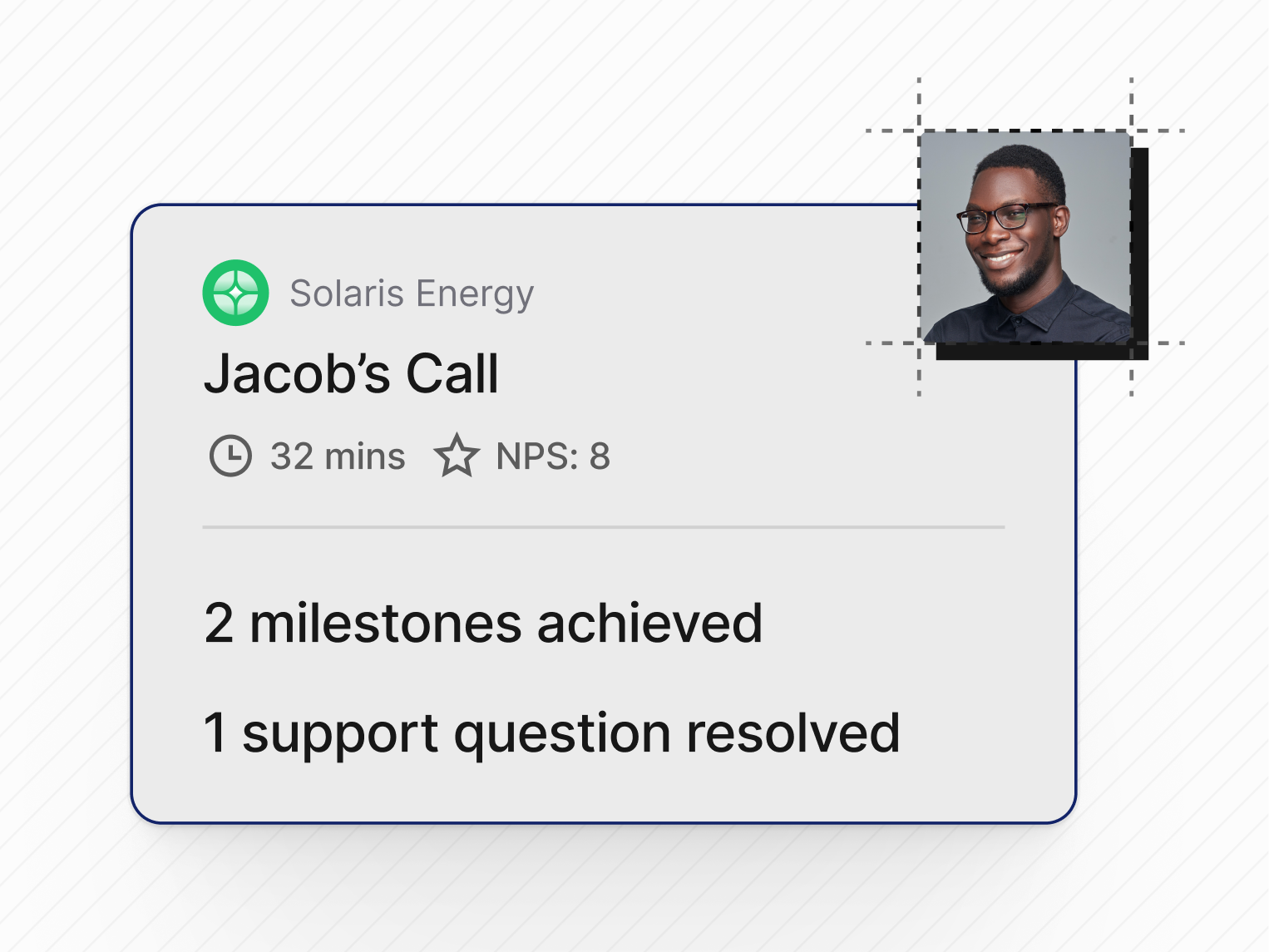
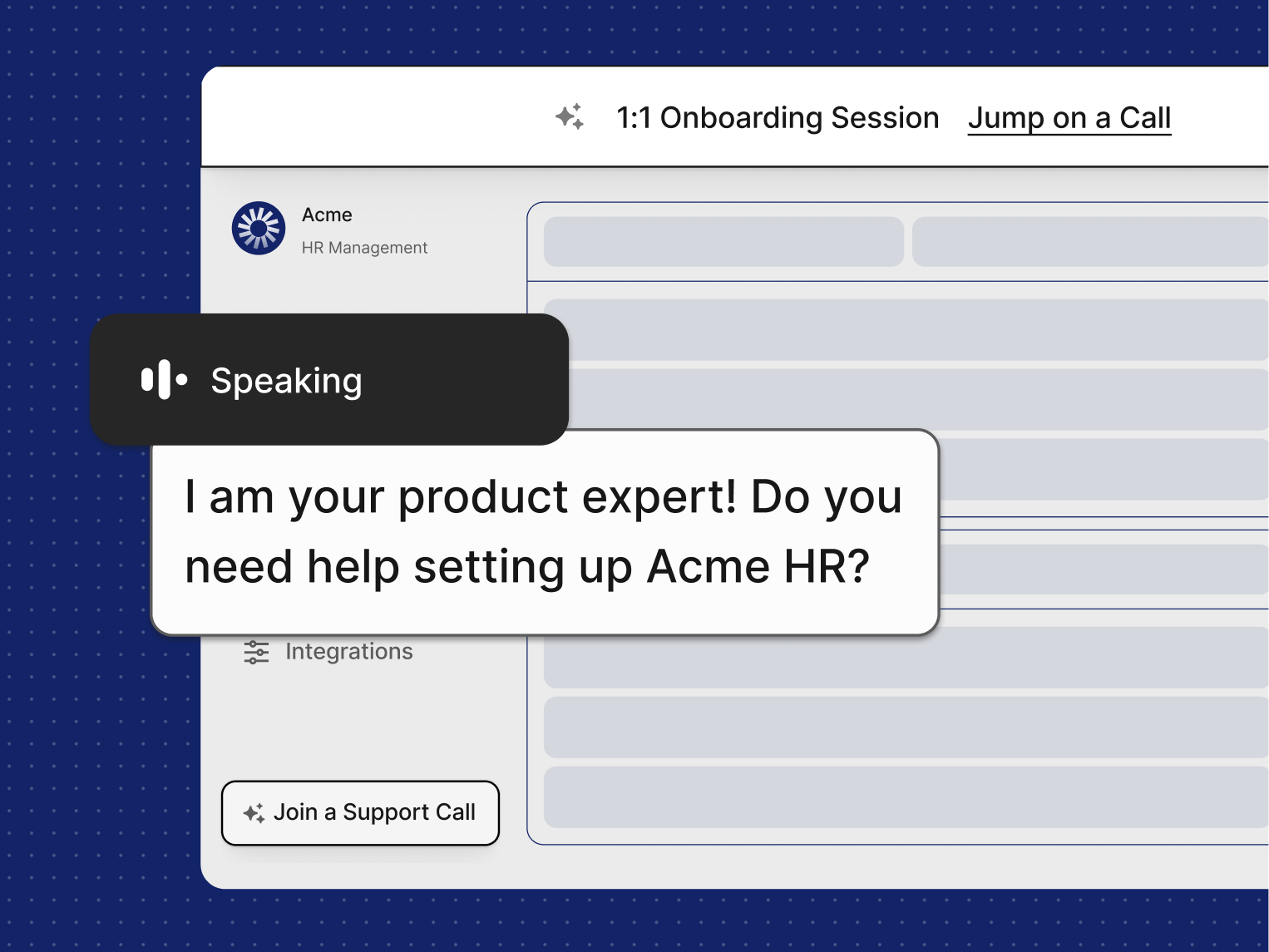
In practice this means an AI agent that watches what the user is doing, understands the context, and surfaces the relevant feature or workflow before the user reaches a wall. It works through voice and screenshare in real time, the same way a human would, except it scales without headcount and runs at the moment the customer needs it rather than three weeks later. The agent reads the screen visually rather than relying on engineering instrumentation, so a product release doesn't break the onboarding the way it would for a traditional DAP.
The work happens before the customer has to form a negative opinion. There's no sticky tooltip pointing at a button the customer didn't know existed, no help article describing a workflow the customer never tried. The agent meets the customer where they are, walks them through the path that maps to their actual business problem, and lets them leave the first session with a working understanding of what your product does for them.
That's the move from reactive to proactive. Same customer, same product, different first impression, and the equity stays on the table.
The numbers
Apollo runs on QuarterZip at 57% activation against the 37.5% industry benchmark, across 2,100+ activation conversations and 623 newly activated users, at 10.55x ROI versus their previous human-led model and 87% cost reduction.
The benchmark itself is the more interesting number. Reactive onboarding has been stuck around 37.5% for a decade. The investments that move it have been incremental. Proactive activation, deployed in two weeks with no engineering integration, clears 55% as a starting point and keeps climbing as the agent learns the product.
The compounding effect is where the revenue lives. Activating 3% more customers or features adds roughly $3M to a typical mid-market SaaS P&L. The Apollo data shows what happens when the lift is closer to 20 points instead of three.
Key takeaway
Reactive onboarding asks the customer to invest energy in a product they haven't yet decided is worth it. By the time you intervene, the impression that determines whether they stay has already formed. Proactive activation handles the first session before the equity gets burnt, which is the only version of the operating model where the rest of the customer lifecycle has anything to work with.
Conclusion
The cost of reactive onboarding has always been bigger than the line item suggests. It shows up at the renewal stage, in the customers who never came back for help and never told anyone why. By then the budget required to keep them is several times what it would have cost to give them a clean first experience.
Proactive activation closes that gap. The customer gets the version of the product they were sold, in the first session, in the context of their own business problem, before they've had a chance to form the impression that would have made them harder to keep. The CSM team gets to do strategic work instead of triage. The CRO gets retention numbers that don't require save plays. The CPO gets a product that activates instead of one that needs to be activated against.
Next step: Book a demo and we'll show you what the first session looks like in your product.
FAQ
What is the difference between reactive and proactive customer activation?
Reactive activation responds after the customer hits a problem. The tool fires when the user clicks a tooltip, lands on a stuck screen, or asks for help. Proactive activation runs in real time, anticipates what the customer is trying to do, and guides them through it before they get stuck. The two are different operating models, not variations on the same one.
Why does reactive onboarding fail so often?
Because it asks the customer to do most of the activation work themselves and only helps the ones who already know what to ask for. Customers who have a bad first experience tend not to come back for help. They go quiet, form a negative impression, and become harder to recover later. By the time a CSM gets involved, the customer has already decided how much energy they're willing to invest in figuring the product out.
How does proactive activation handle the first customer experience?
Through an AI agent that watches what the user is doing, understands the context, and surfaces the right feature or workflow in the moment. The agent works through voice and screenshare in real time, the same way a CSM would, but at the scale and cost structure of software rather than headcount. The customer leaves the first session with a working understanding of how your product solves their problem.
Does proactive activation replace customer success managers?
No. It changes where their time goes. Standard activation paths run through the agent, which frees CSMs to focus on strategic accounts, expansion, and the cases the agent escalates. Most teams using proactive activation see CSM roles get more valuable, not less, because the highest-leverage CS work isn't the repetitive setup that the agent now handles.
What's the actual cost of running reactive onboarding?
Most companies underprice it because the cost shows up as churn at second renewal, not as a line item in the onboarding budget. The hidden cost is in the customers who churned because their first experience was poor, plus the expensive recovery motions deployed against customers who were never likely to be saved. Proactive activation removes most of that downstream cost by getting the first experience right.
How quickly can a team deploy proactive activation?
Two weeks, with no engineering work required from the customer. The agent uses computer vision to read the UI rather than code instrumentation, which removes the long integration timelines associated with traditional onboarding tools.
Conclusion
Reactive onboarding isn't a bad product category. It's just a category that hit its ceiling and stopped climbing, and the activation numbers have been telling us that for years. The only reason the ceiling looked like the sky is that nothing better was available yet.
Something better is available now. Proactive, AI-led activation isn't a new feature on top of reactive onboarding. It's a different way to think about the problem ~ one where the software meets the user where they are instead of waiting for the user to find the right button. The teams that see this early and move early are the ones the activation benchmarks will be measured against in two years.
Next step: If you want to see proactive activation running in your own product — no engineering, no tooltips, live in two weeks - book a QuarterZip demo.