The Cost of Poor Customer Activation: What Inaction Costs Your Business



Introduction
Most companies treat poor activation like a top-of-funnel issue which costs them deals that don't sign. The actual cost lives across the funnel.
Poor activation is a cancer that spreads through the business. It starts in the first 30 days, when a paying customer doesn't quite figure out what your product is for and compounds from there. Your team barely notices because the usage report still looks fine.
Six months later they're pushing back on a price increase you'd never have expected resistance on. By the time they don't renew, the original failure is more than a year in the past and the people now holding the bag had nothing to do with creating it.
The solution belongs to the CRO and the CPO together, and most companies have never had the conversation that names it that way.
Pull Quote: Activating 3% more customers or features adds roughly $3M to a typical mid-market P&L.
Why the misdiagnosis happens
The reason this gets misdiagnosed is timing.
A customer who fails to activate in their first month doesn't show any symptoms for another six to twelve months. By the time the symptoms arrive, the deal is old, the rep has moved on, the CSM has been rotated, and nobody is going back to check what happened in week three.
So the symptoms get treated on their own terms.
Pricing pushback looks like a packaging issue and gets a packaging response. Expansion that flatlines gets blamed on the roadmap or on competitive pressure. Churn at second renewal usually gets explained as the customer choosing somebody else, which is technically true but misses the question of why they were available to be chosen.
None of these explanations are wrong, exactly. They're just downstream of the actual cause, and the fixes aimed at them won't move the underlying number.
Where the cost actually shows up
The cost shows up in three places. If two of them are wobbling at once, the cause is almost always upstream and you're firefighting the wrong end of the funnel.
Monetisation
Customers price products against the value they've experienced, not the value the product is theoretically capable of delivering. A customer who didn't activate didn't experience anything worth more than what they're paying, and possibly nothing worth paying for at all. Their ceiling on what your product is worth gets set in the first 30 days and reset every time you ship something they don't adopt. If that ceiling stays low, you're arguing with it for the rest of the contract.
Expansion
Expansion compounds when customers go deep. They've used the core feature, they trust it, they understand how it fits their work. Unactivated customers don't have any of that, which means the upsell motion has nothing to land on. You can't cross-sell someone into a second product when they haven't figured out the first one. NRR flattens while gross retention still looks fine, and the board starts asking why expansion isn't compounding. The honest answer is that activation never gave it anything to compound from.
Churn
Unactivated customers churn slowly. They renew once on goodwill, sometimes twice if the buyer changes jobs in the meantime. Then someone new arrives, runs a usage review, asks what they're actually getting from this contract, and doesn't get an answer that justifies it the contract goes. By that point you've collected twelve to eighteen months of revenue from a customer who was always going to leave, and the finger is pointed at the CSM who may or may not have held the relationship since the contract was signed.
Pull quote: Poor activation is the root cause. Monetisation, expansion and churn are how the cost shows up.
Why the problem persists
Every CRO and CPO already knows activation matters. The reason it doesn't get fixed comes down to incentive design.
Sales gets paid when the contract signs. The booking lands in this quarter's number, and what happens to the customer in month six is a problem for somebody else's quarter. There's no claw-back when activation fails, so the rep has every reason to close fast and move on.
Product has the inverse version of the same problem. Roadmaps get funded against feature requests, and feature requests come from active users, who are by definition the customers who already activated. The customers who didn't activate are quiet. So the roadmap optimises for the people who made it through and starves the experience that would unlock the people who didn't.
Both incentives push activation into the future, where it becomes someone else's number to hit.
How to size your activation gap
The math is straightforward. The numbers usually surprise people.
Annual cost of the gap = (target activation rate − current activation rate) × annual new customers × ACV × average retention years
InputWhere to find itTypical mid-market valueCurrent activation rateProduct analytics, % of new users reaching activation in target window35–45%Target activation rateThe realistic ceiling with proactive activation in place55–60%Annual new customersSales ops500–2,000Average ACVRevenue ops$5K–$50KAverage retention years (activated)CS or finance2–3
For a more visceral version of the same number, here's the rule of thumb. Activating 3% more customers or features adds roughly $3M to a typical mid-market SaaS P&L. The leverage is unusually high because closing the gap moves several downstream metrics at once.
What good looks like
HubSpot is the cleanest example of a company that has solved this.
Their working model is almost too simple to write down. Customers who don't use a feature are more likely to churn, so make sure customers use every feature. That's it. They go after feature activation proactively, across the platform, and they treat it as the leading indicator of every revenue metric downstream.
The behaviour worth copying isn't any specific tactic. It's the orientation. HubSpot has decided that the cost of not activating a customer is higher than the cost of activating them, so they fund accordingly.
Most SaaS companies have the opposite operating model without realising it. They run a thin onboarding pass, hope for the best, and then deploy expensive recovery motions when the downstream metrics start to wobble.
You're not losing customers at the deal stage. You're paying to recover them at the renewal stage, with a much lower hit rate.
Whose job this is
Activation usually gets pinned on the CRO, but hat's only half right.
Activation belongs to both the CRO and the CPO. The reason it stays unsolved is that it sits in the seam between the two roles, and each side is quietly waiting for the other to take the lead.
The CPO owns the product side. The product itself has to be capable of getting a customer to value without a human in the loop, which means proactive guidance built into the experience, mapping to the customer's specific business problem, and a default path that meets the user where they are.
The CRO owns the experience side. Even the best product can't activate every customer on its own. Some accounts need a person, or something that behaves like a person, to translate the product into their specific context. That work lives inside CS and shows up as headcount, training, and the structure of the post-sale motion.
When these two roles run separately, customers get neither version of the support they actually needed. Product ships features that don't connect to outcomes, CS runs onboarding sessions that don't deepen feature usage. Everyone hits their KPI and the customer slides quietly into the unactivated cohort.
The companies that solve activation are the ones where the CPO and CRO have agreed on a shared definition, a shared metric, and a shared budget.
Why the gap stayed open until now
The mechanics of activation aren't a mystery. The constraint has always been economic.
The reliable way to activate a customer used to involve putting a human alongside them and having a conversation. A CSM on a call, asking about the business problem, mapping the product to it. The problem is arithmetic.
A loaded CSM costs $80,000 to $150,000 a year. At a $10,000 ACV, you can't dedicate one to every account. So CSMs get pooled, pooled CSMs handle reactive tickets instead of proactive activation, and the customers who needed the conversation most don't get it.
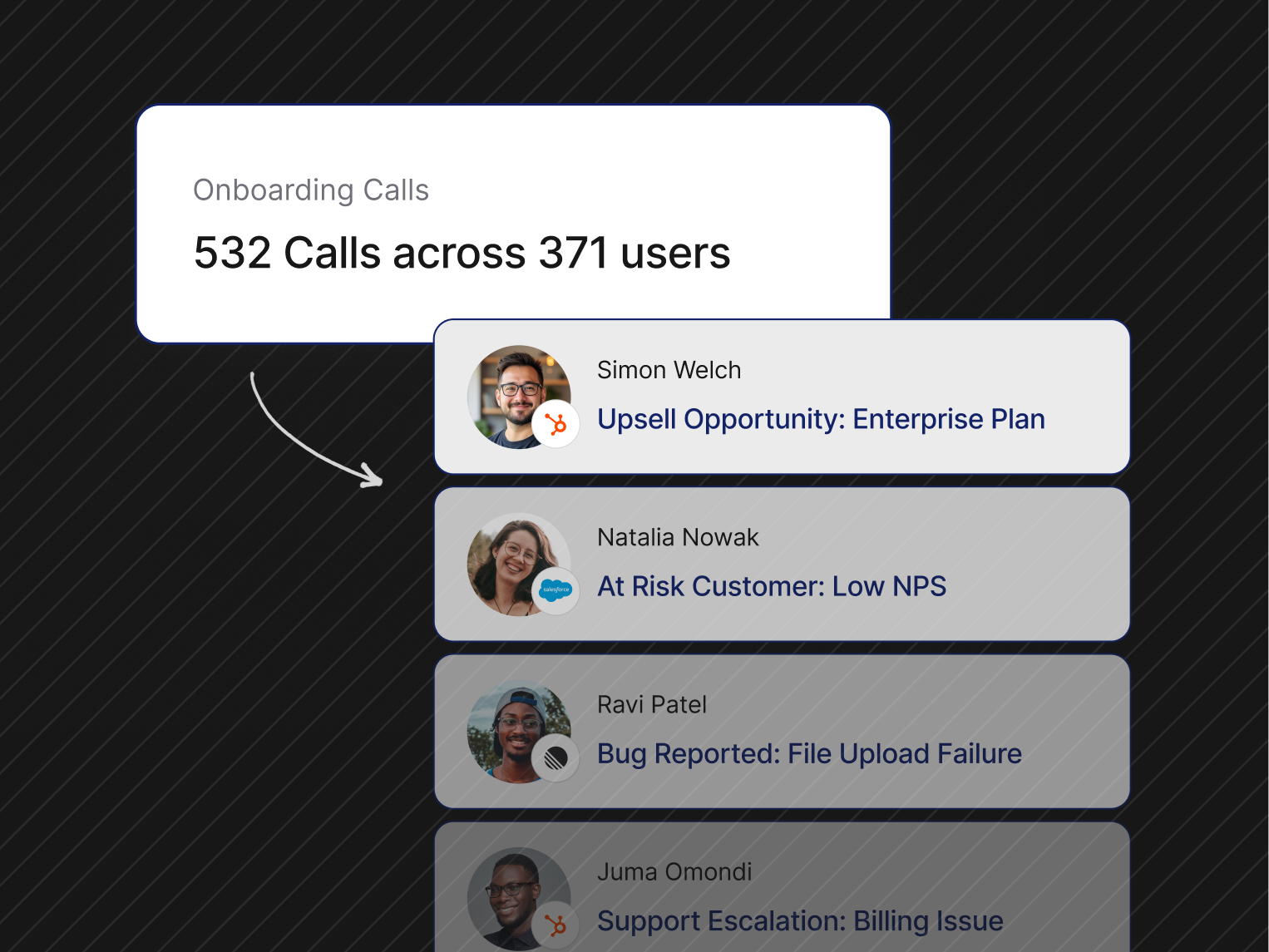
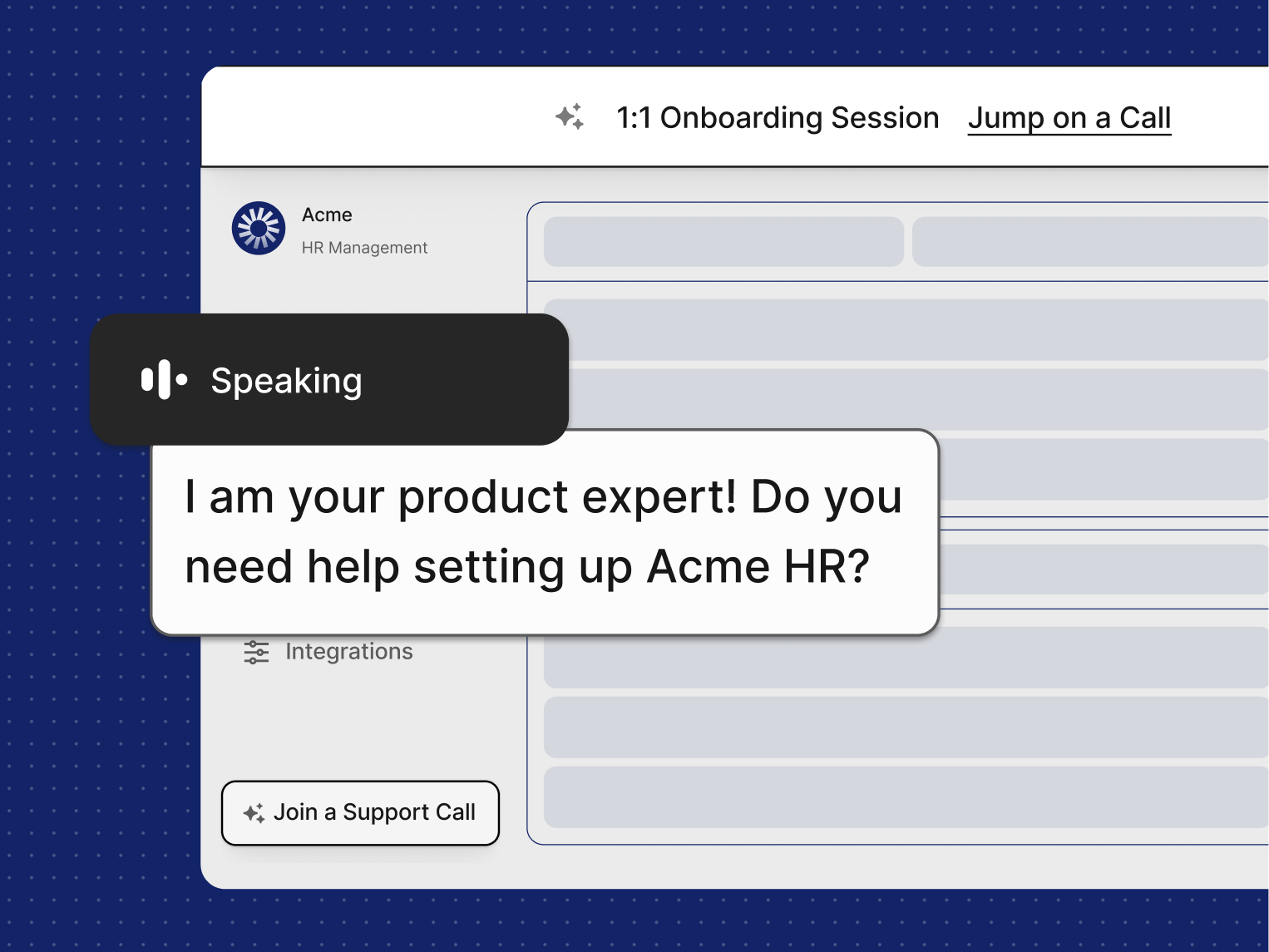
QuarterZip changes those economics. The activation conversation runs in real time, with voice and screenshare, mapping the product to the specific business problem the customer is trying to solve. The work that used to need a CSM happens at software margins instead of headcount margins.
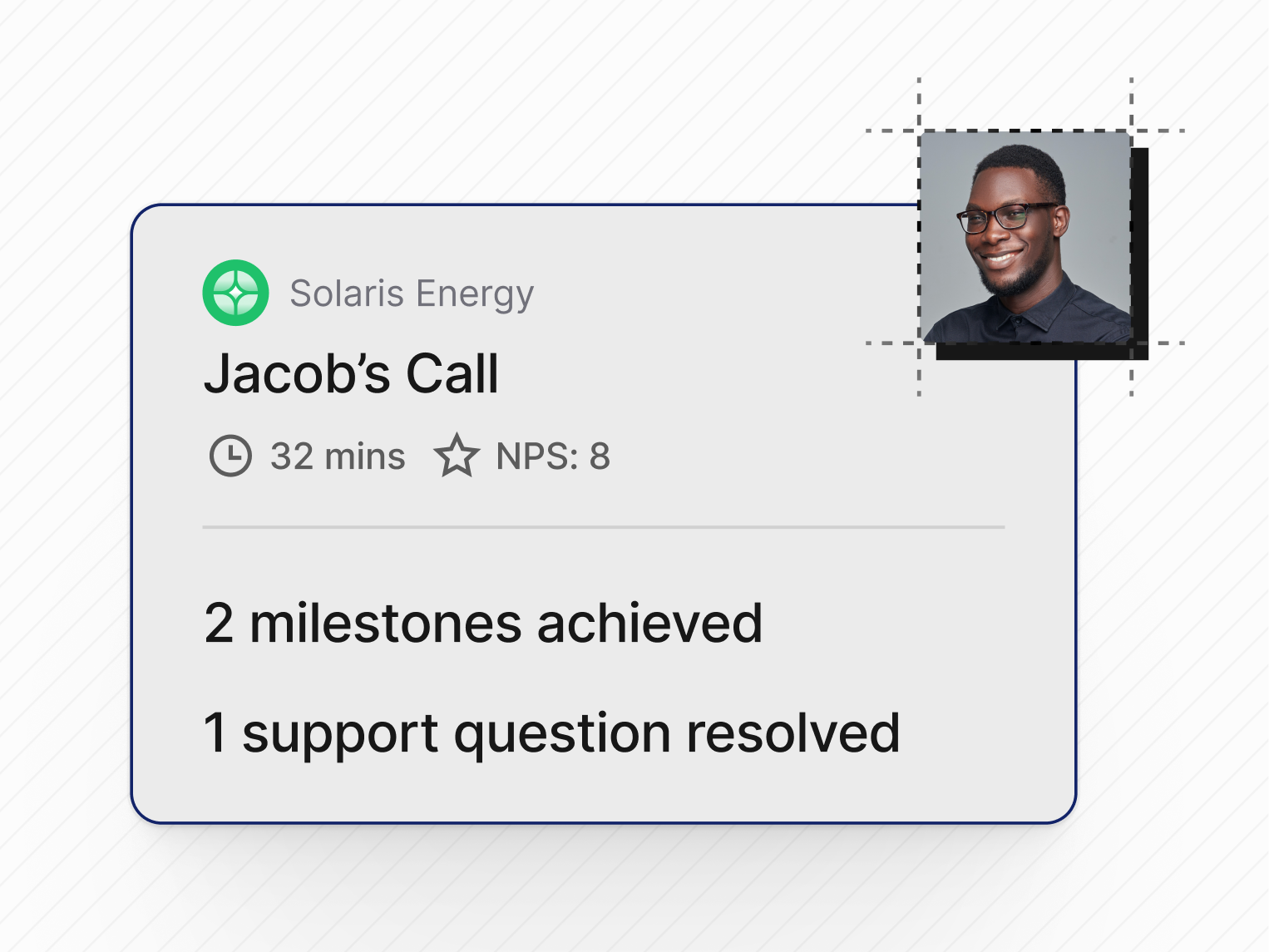
Apollo is what this looks like in practice. They run on QuarterZip at 57% activation against the 37.5% industry benchmark, across 2,100+ activation conversations and 623 newly activated users, at 10.55x ROI versus their previous human-led model and 87% cost reduction. Those numbers used to require a fully staffed CSM team and an ACV that justified one. They don't anymore.
This is also where the joint CPO and CRO ownership becomes practical instead of theoretical. The product layer that does the activation work CS can't afford to do at scale sits in both their P&Ls. It's the kind of investment that only gets funded when both roles are pushing for it.
Key takeaway
Poor customer activation is the most expensive misdiagnosed problem in SaaS. The visible symptoms (soft monetisation, weak expansion, elevated churn) get treated as separate problems with separate fixes, while the cause stays open and the cost compounds. The companies that solve it follow the HubSpot orientation, fund activation as a joint CPO and CRO responsibility, and stop paying to recover customers they could have activated for less.
Conclusion
The most expensive thing in your customer base right now is a cohort of paying customers who never figured out what your product was for. They look fine on the dashboard. They'll churn at the second renewal and the loss will be booked against a CSM who wasn't there when the deal was signed.
That cohort exists because activation has been falling between the CPO and the CRO for a decade, and because the only proven way to fix it cost more than the contract was worth. The first problem is a conversation between two of your senior leaders. The second is now solvable.
Next step: Book a demo and we'll run the activation gap math on your numbers and show you what proactive activation looks like in your product.
FAQ
What is the cost of poor customer activation?
It's the revenue lost across monetisation, expansion and churn from customers who paid for the product without ever reaching the point where it solved their business problem. The cost is rarely diagnosed correctly because it surfaces 12 to 18 months after the activation failure that caused it, by which point the symptoms get attention and the cause doesn't.
How do you know if poor activation is the root cause of your revenue problems?
Check three places. If pricing conversations are getting harder, expansion isn't compounding the way the model said it should, and second-renewal churn is climbing, you don't have three problems. You have one problem with three downstream surfaces, and the cause is upstream of all of them.
Why don't more companies fix poor activation?
Because the incentives push it into someone else's quarter. Sales is paid on bookings, not activation. Product roadmaps are funded by requests from already-activated users. Both functions defer the problem, and by the time the cost surfaces in CS metrics, nobody owns the lever to fix it.
Whose job is customer activation in a company?
The CPO and the CRO together. The CPO owns the product layer that lets customers reach value without a human in the loop. The CRO owns the customer success experiences that handle accounts that need a person involved. When those roles operate separately, activation falls into the seam between them and the customer gets neither half of what they needed.
Who does customer activation well?
HubSpot is the canonical example. They operate on the explicit hypothesis that customers who don't use a feature are more likely to churn, so they pursue feature activation proactively rather than running save plays at renewal. The behaviour worth copying is the orientation toward preventing unactivated customers in the first place, rather than trying to recover them later.
How quickly can activation rates actually move?
Faster than most retention or monetisation programmes, because activation changes show up within the first deployment cycle. Apollo runs at 57% activation versus the 37.5% industry benchmark, with 10.55x ROI and 87% cost reduction against their previous human-led model. The activation lift is usually visible in weeks, and the downstream effects on monetisation, expansion and churn follow over the next quarter or two.